
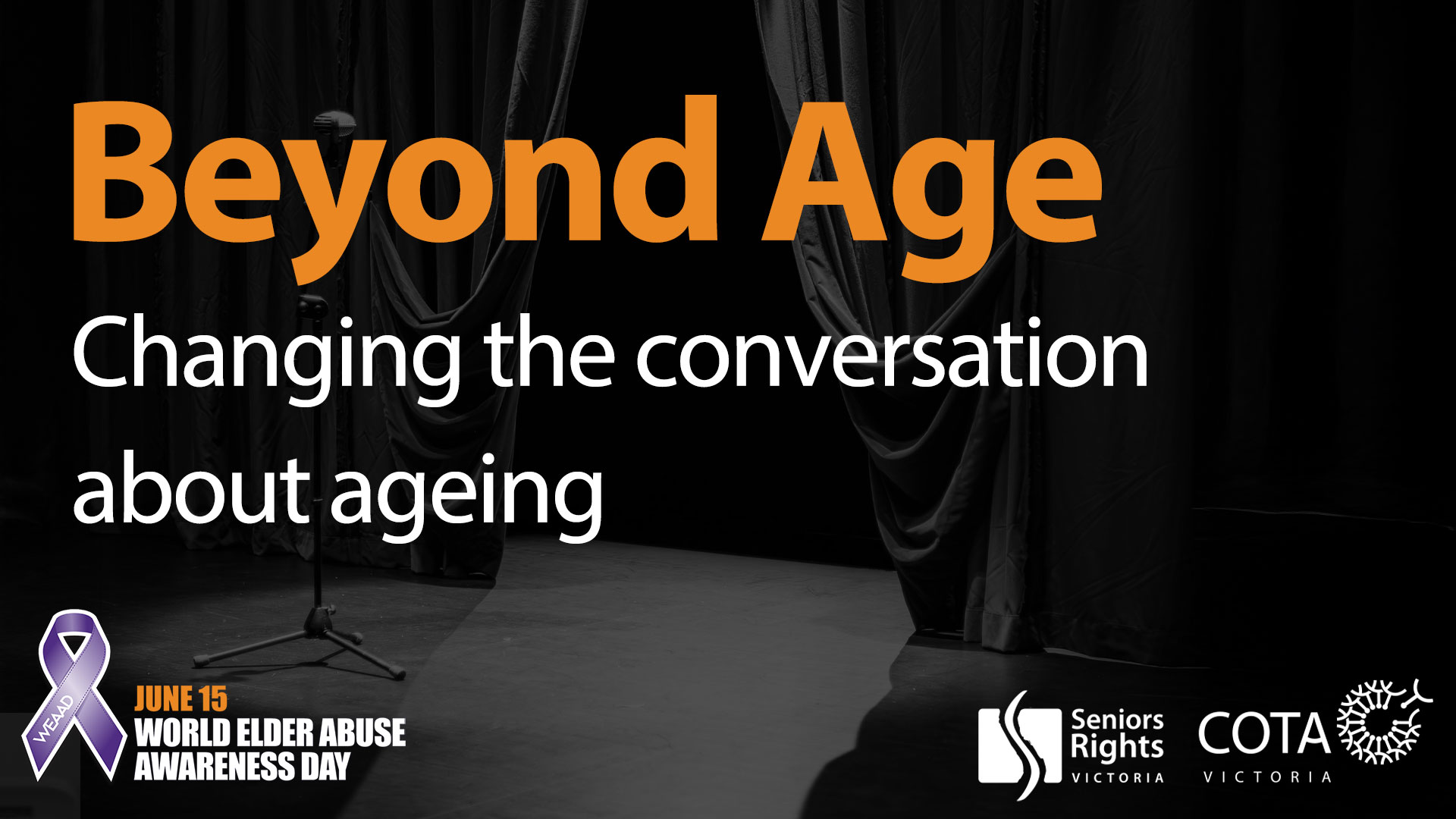
Seniors Rights Victoria (SRV), a key service provided by the Council on the Ageing (COTA) Victoria and the only Community Legal Centre dedicated to preventing and responding to elder abuse within the state, is pleased to announce its Beyond Age campaign in promotion of World Elder Abuse Awareness Day (WEAAD) 2025.
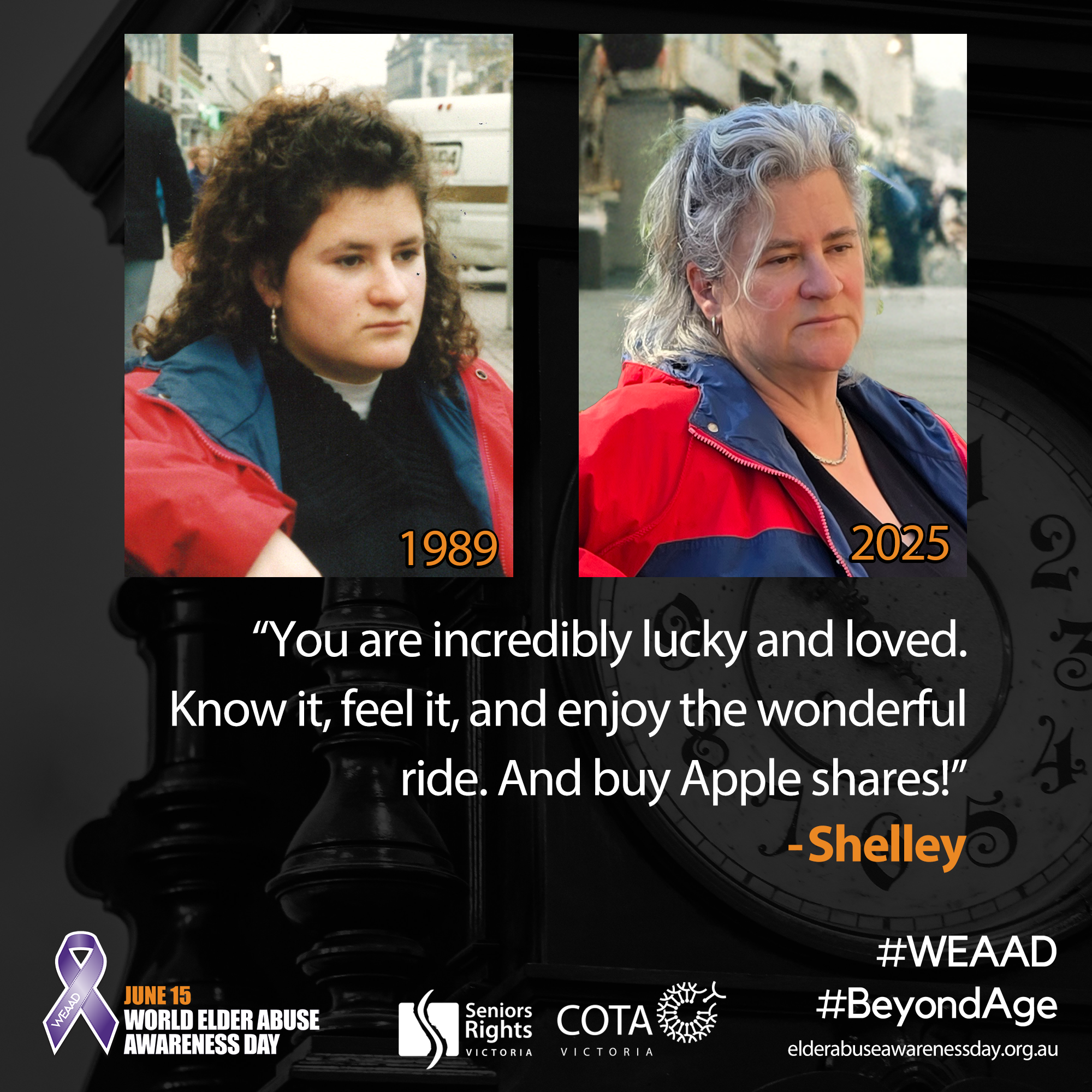
As part of the project, community members will attend workshops to couple a photo from their past with one from their present. They’ll then provide advice about getting older to their younger self.
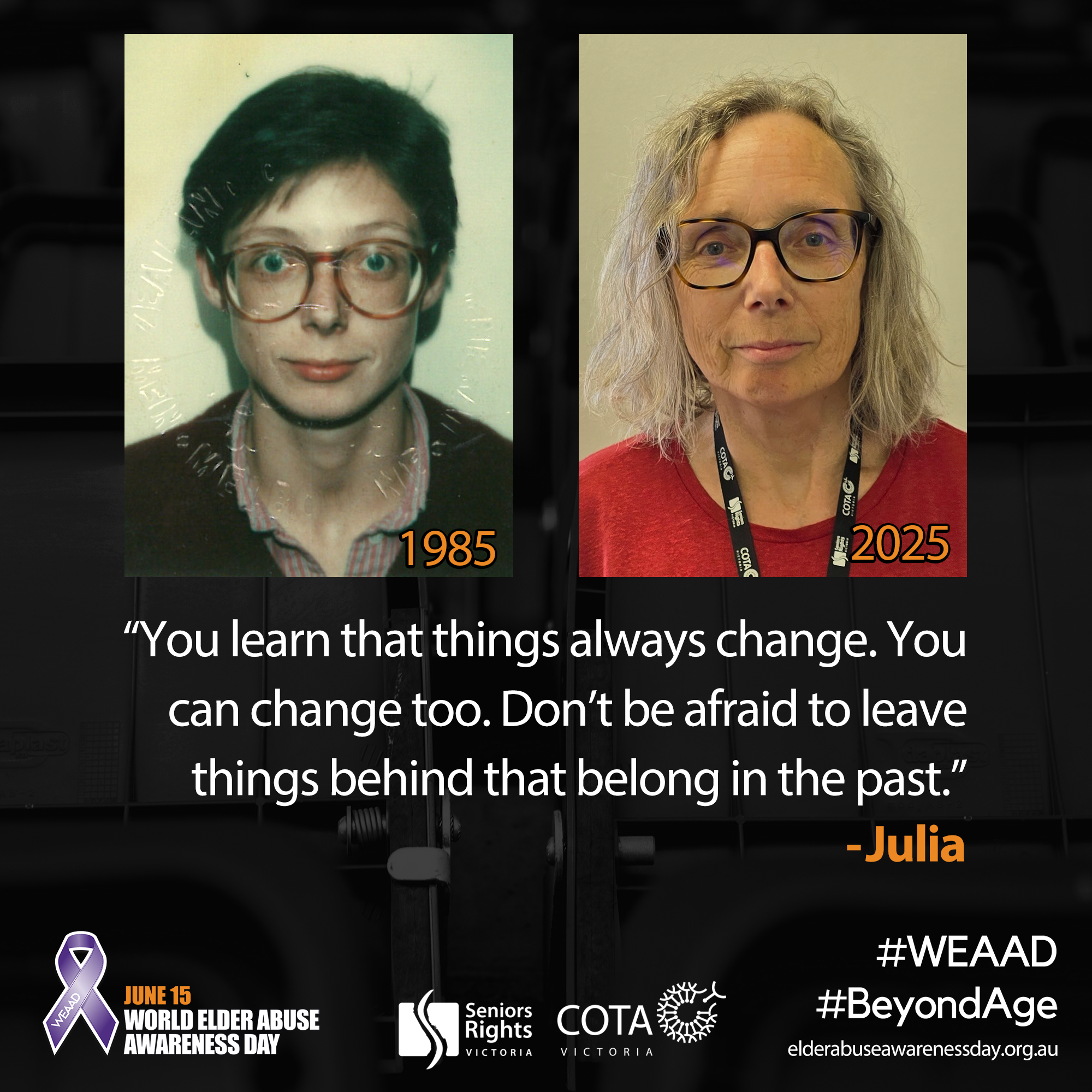
All photographs and responses will be turned into a digital storyboard and displayed on the World Elder Abuse Awareness Day website; select entries will be also presented in a physical exhibit during a showcase event held in June.
The campaign will focus on challenging ageist attitudes and promoting respect for older people.
“Beyond Age seeks to shift societal attitudes and emphasise the value of age,” said Avital Kamil, Manager & Principal Lawyer of Seniors Rights Victoria.
“Together, we can work towards a safer and more inclusive society for older people and combat ageism as one of the significant drivers of elder abuse,” Ms Kamil continued.
WEAAD is celebrated each year, globally, on 15 June, and provides an opportunity for communities to stand together against the abuse, mistreatment, and neglect of older people.
Members of Seniors Rights Victoria and COTA Victoria will soon be offered the opportunity to join the first Beyond Age workshop, to be held mid-March. Older Victorians are encouraged to take advantage of our free membership program, which allows them to directly support and enhance our work.
Additional workshops will be offered throughout Victoria over March and April. More information on those sessions, how interested parties can contribute to the online exhibition, and of our showcase WEAAD event will be announced in the coming weeks.
If you or someone you know in Victoria is experiencing elder abuse, help is available through Seniors Rights Victoria’s confidential helpline on 1300 368 821.
For nationwide assistance, please call 1800 ELDERHelp (1800 353 374). You can also access additional resources in 20 different languages using the Australian Human Rights Commission website.
If it is an emergency, call 000.
Further context
All points below are attributable to Avital Kamil, Manager & Principal Lawyer of Seniors Rights Victoria.
- Elder abuse comes in many forms. It can be financial, emotional, psychological, physical, sexual, or social. Elder abuse can occur once or many times, and can vary in severity from subtle through to extreme. It can include one or a combination of the different types of abuse.
- Most often, elder abuse is carried out by someone known to the older person, with two thirds of abusers being an adult child. Abusers can also be other family members, relatives, or friends.
- Elder abuse affects people of all genders and all walks of life. The abuse, however, disproportionately affects women – two-thirds of people seeking help from SRV are women.
- Culturally and Linguistically Diverse communities, Aboriginal and Torres Strait Islander communities and LGBTQI+ communities are additionally vulnerable, as are older people living in rural and regional communities.
- The most recent study of elder abuse prevalence in Australia found that 14.8% of those 65 years and over had experienced at least one recognised form of elder abuse over the previous 12 months. This suggests that 160,000 older Victorians are experiencing elder abuse each year to a level they are willing to identify to researchers.
- Ageism is one of the main drivers of elder abuse. Ageism also impacts how society perceives the worth of an older person; this can lead to abuse and mistreatment of them in families.
- Ageism can be a self-fulfilling prophecy leading to internalised and reinforced perceptions of self-worth, impacting their self-esteem, and minimising what they are capable or worthy of. Internalised ageism can limit older people from participating in society and increase social isolation.
- By 2046, the number of Victorians aged 60+ is expected to increase by around 60 per cent to more than 2.3 million people, accounting for approximately 25 per cent of the population will be 60 years of age or older.
— ENDS —
Further information
Steve Wright
Marketing and Communications Manager
Seniors Rights Victoria & COTA Victoria
Telephone: +61 3 9655 2159
Email: communications@cotavic.org.au
About us
Seniors Rights Victoria (SRV) is the key state-wide service dedicated to advancing the rights of older people and the early intervention into, or prevention of, elder abuse in our community. It is the only Community Legal Centre dedicated to preventing and responding to elder abuse within Victoria.
SRV has a team of experienced advocates, lawyers, and social workers who provide free information, advice, referral, legal advice, legal casework, and support to older people who are either at risk of or are experiencing elder abuse. SRV supports and empowers older people through the provision of legal advice directly to the older person.
https://seniorsrights.org.au | https://elderabuseawarenessday.org.au
Council on the Ageing (COTA) Victoria is the leading not-for-profit organisation representing the interests and rights of people aged over 50 in Victoria. For over 70 years, we have led government, corporate and community thinking about the positive aspects of ageing in the state.
Today, our focus is on promoting opportunities for and protecting the legal rights of people 50+. We value ageing and embrace its opportunities for personal growth, contribution, and self-expression. This belief drives benefits to the nation and its states alongside communities, families, and individuals.